

What Garden Tools Should Every Beginner Buy First for a Small Backyard?
A person stands in a store aisle surrounded by shovels, hoes, pruners, and racks of unfamiliar items. The choices feel overwhelming. A small backyard does not need a tractor or a full shed of professional equipment. Yet without guidance, a beginner wastes money on tools that collect dust. The right Garden Tools turn weekend work into a satisfying hobby. The wrong ones create frustration and blistered hands. The question every new gardener asks is this: which few items actually matter for a small space?
The answer starts with a hand trowel. This small tool digs holes for seedlings, transplants small plants, and removes shallow weeds. A forged steel trowel with a comfortable handle serves for years. Avoid cheap stamped metal versions that bend at the first tough clod of soil. The second essential item is a bypass pruner. This scissors-like tool cuts stems up to half an inch thick. A bypass design makes clean cuts that heal fast on living plants. Anvil pruners crush stems and invite disease. A quality pruner fits the hand without straining the wrist. Many beginners overlook this tool and try to tear or twist branches. That action damages both the plant and the gardener's joints.
A fifth tool completes the beginner set: a stirrup hoe or a collinear hoe. This tool cuts weeds just below the soil surface without disturbing plant roots. A push-pull motion requires minimal effort. A standard garden hoe chops and pulls, which disturbs soil structure and creates more weed seeds. The stirrup hoe design glides through loose soil. For a small backyard, weekly use of this tool keeps weed pressure low without chemical sprays. These five items fit in a small bucket. They cost far less than a single power tool. They require no fuel, no charging, and no complex maintenance. A beginner who buys only these five Garden Tools avoids the paralysis of choice and gets straight to planting.
The storage of these items matters as much as the purchase itself. A five-gallon bucket filled with sand holds each tool handle-down. The sand absorbs moisture and keeps blades clean. A small hook on a shed wall works too. The key is keeping tools off the ground. Soil contact promotes rust and dulls edges. A beginner who cleans dirt off after each use and dries the blades before storage extends tool life by years. A wire brush removes caked soil. A rag wipes away moisture. A file sharpens a dull trowel or pruner in two minutes. These habits take less time than searching for a misplaced tool.
Many beginners ask about powered Garden Toolssuch as trimmers or blowers. For a small backyard, skip them initially. A manual tool makes no noise, produces no fumes, and never runs out of battery. A string trimmer for a two-hundred-square-foot yard takes longer to fuel and start than to finish the job. Hand shears cut grass along edges faster than a machine once a person learns the technique. A broom sweeps a patio cleaner than a blower pushes dust around. Power tools add cost, weight, and maintenance without saving time in a compact space. A beginner who later expands to a half-acre property can add powered gear. The small backyard rewards simplicity.
The automaticmachinefactory brand, under its Tarun company name, supplies industrial equipment for metal processing and automation. While their main catalog focuses on CNC machines, metal molding systems, and abrasive grinding tools, the same engineering discipline applies to the hand tools they distribute through associated channels. A factory that builds precision automation equipment understands metallurgy, handle ergonomics, and edge retention. That knowledge transfers to the simple garden tools that share a workshop shelf with industrial abrasives. A beginner who values durability looks for tools made with the same care as professional machinery. The connection between a grinding wheel factory and a hand trowel may not seem obvious. Both require proper steel selection, heat treatment, and quality control. A company like Tarun applies industrial standards to every product category.
A beginner should avoid gimmick tools. A tool that promises five functions in one handle usually performs none well. A weeder with a complex pivot mechanism breaks at the pivot. A multi-tool with interchangeable heads loses the head in the garden bed. Simple, single-purpose tools from a reputable source outlast any gadget. The five essential tools described above have unchanged designs for generations because those designs work. A trowel from fifty years ago looks much like a new one. A bypass pruner operates on the same mechanical principle as a century ago. Good design does not need reinvention. A beginner spends money on build quality, not on marketing claims.
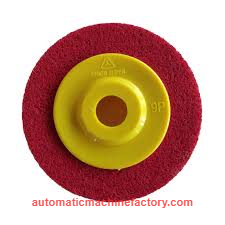
For a reliable source of industrial-grade hand tools and professional equipment, visit the product catalog at https://www.automaticmachinefactory.com/product/grinding-tools-and-abrasives-division/nonwoven-fiber-wheel/. That page shows the precision applied to abrasive products. The same standards inform the simple garden tools that a beginner trusts for weekend projects. A small backyard does not require a shed full of equipment. Five quality items, stored properly and used weekly, produce vegetables, flowers, and satisfaction. A person who starts with the right tools stays with the hobby. A person who starts with frustration quits before the first harvest. Which path will your next trip to the tool aisle take?

 English
 French
 Spanish
 Portuguese
 Deutsch
 Turkish
 Dutch
Dutch
 Italiano
 Russian
 Romaian
 Portuguese (Brazil)
 Greek
Greek