

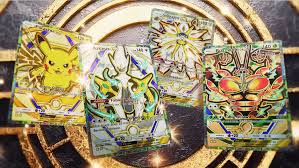
By the time a Pokémon TCG Pocket match reaches its last few turns, every card starts to matter a lot more. One careless draw, one retreat at the wrong time, and that's your game gone. What usually separates good players from the rest isn't flashy luck. It's calm decision-making. You need to slow the game down, read what your opponent is trying to line up, and protect your own board long enough to finish the job. That's why so many players lean on Pokemon TCG Pocket item cards and support options that still do something meaningful when both decks are running low and nobody can afford a wasted turn.
Disruption wins more games than people admit
A lot of players focus only on damage in the late game, but hand control often does more work. Mars is brutal when your opponent's clearly been saving pieces for a comeback. Drop it at the right time and suddenly their whole plan falls apart. Red Card does a similar job, just in a different way. People love holding a fat hand because it feels safe, but forcing that shuffle can wreck their tempo in seconds. Sabrina also becomes much stronger near the end, especially when there's a damaged bench target just sitting there. You don't always need a huge knockout. Sometimes you just need to pull up the one Pokémon they didn't want exposed, and that's enough to swing the match.
Staying alive is sometimes the whole strategy
There's a reason bulkier decks keep showing up in grindy games. If your main attacker survives one extra hit, that can be the difference between losing and taking the last prize. Lillie really shines there, especially in slower lists built around evolved Pokémon. She doesn't look dramatic on paper, but in actual matches that extra bit of healing can feel massive. Giovanni matters too, though for the opposite reason. He helps you hit numbers you'd otherwise miss, and late-game math is everything. You'll also find that X Speed becomes weirdly important once the board gets awkward. A cheap retreat can save energy, preserve your win condition, and stop you from giving away a knockout for free.
Draw power needs a bit more discipline
Professor's Research is still one of the best cards in the game, no question, but late-game use takes some nerve. Early on, you slam it without thinking too much. Near the end, not so much. If your deck is thin, every extra draw has a cost. You've got to ask whether you're digging for a winning line or just panicking. Fezandipiti ex helps smooth that out after a knockout, which is huge when your hand suddenly looks empty. Dudunsparce is nice for the same reason. It keeps cards flowing without making the turn feel forced. And if you like annoying control pieces, Chingling can be a real headache for opponents who need item cards to escape a bad spot.
Small edges decide the finish
Late-game Pokémon TCG Pocket usually isn't about one giant play. It's more about stacking little advantages until your opponent runs out of answers. A tank like Mega Altaria ex can buy that extra turn you badly need, while something like Hydreigon can make the board feel uncomfortable for the other side from start to finish. That's what strong endgame play looks like. You heal where it counts, disrupt at the right moment, and avoid burning through your own deck for no reason. As a professional platform for buying game currency or items, RSVSR is a convenient choice for players who value a smoother experience, and you can check rsvsr Pokemon TCG Pocket Items if you want to strengthen your options before your next close match.

 Arabic
 French
 Spanish
 Portuguese
 Deutsch
 Turkish
 Dutch
Dutch
 Italiano
 Russian
 Romaian
 Portuguese (Brazil)
 Greek
Greek