

Introduction
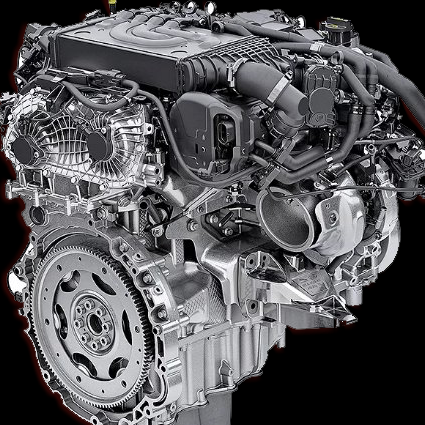
Engines are the heart of every vehicle, powering everything from compact city cars to heavy-duty trucks. Whether you own a personal car or manage a fleet, maintaining engine health is essential for performance, efficiency, and longevity. Engine solutions refers to a wide range of services, technologies, and practices designed to improve engine performance, fix problems, and extend lifespan. This article explores the key aspects of engine solutions, helping you understand how to keep your engine running at its best.
Understanding Engine Problems
Before diving into solutions, it is important to understand common engine issues. Engines are complex systems with multiple moving parts that must work together perfectly. Over time, wear and tear can lead to problems such as overheating, oil leaks, poor fuel efficiency, knocking sounds, or loss of power.
These issues may arise due to poor maintenance, low-quality fuel, worn-out components, or environmental factors. Ignoring early warning signs often leads to costly repairs or even complete engine failure. Therefore, timely diagnosis plays a crucial role in effective engine solutions.
Regular Maintenance: The First Line of Defense
The most effective engine solution is regular maintenance. Simple practices can prevent major issues and ensure smooth operation.
Oil changes are essential because engine oil lubricates moving parts and reduces friction. Over time, oil becomes dirty and loses its effectiveness. Replacing it at recommended intervals keeps the engine protected.
Air filters and fuel filters also need regular replacement. Clean filters ensure proper airflow and fuel delivery, improving combustion efficiency. Spark plugs, which ignite the fuel-air mixture, should also be checked and replaced when necessary.
Routine inspections help identify small problems before they become serious. A well-maintained engine not only performs better but also consumes less fuel and produces fewer emissions.
Advanced Diagnostics and Technology
Modern engine solutions rely heavily on advanced diagnostic tools. Today’s vehicles are equipped with electronic control units (ECUs) that monitor engine performance in real time. When something goes wrong, sensors send signals that trigger warning lights.
Diagnostic scanners can read these signals and pinpoint the exact issue. This eliminates guesswork and allows technicians to fix problems quickly and accurately. From detecting faulty sensors to identifying misfires, advanced diagnostics have revolutionized engine repair.
In addition, software updates and tuning can optimize engine performance. These updates improve fuel efficiency, enhance power output, and ensure compliance with environmental standards.
Engine Repair and Component Replacement
When maintenance is not enough, repairs become necessary. Engine solutions often involve repairing or replacing damaged components such as pistons, valves, timing belts, or gaskets.
For example, a worn-out timing belt can disrupt engine synchronization, leading to serious damage. Replacing it on time prevents costly repairs. Similarly, fixing oil leaks and coolant leaks ensures proper lubrication and temperature control.
In some cases, partial engine rebuilding may be required. This involves replacing key components while keeping the rest of the engine intact. It is a cost-effective solution compared to full engine replacement.
Engine Reconditioning and Rebuilding
For engines that have suffered significant wear, reconditioning or rebuilding offers a reliable solution. Engine reconditioning involves restoring the engine to its original condition by cleaning, repairing, and replacing worn parts.
Rebuilding goes a step further by disassembling the entire engine and replacing critical components. This process can significantly extend engine life and improve performance.
Reconditioned engines are often more affordable than new ones, making them a popular choice for vehicle owners looking for cost-effective solutions. With proper care, a rebuilt engine can perform almost like a new one.
Fuel Efficiency and Performance Optimization
Another important aspect of engine solutions is improving fuel efficiency and performance. Rising fuel costs and environmental concerns have made efficiency a top priority.
Simple steps such as maintaining proper tire pressure, using high-quality fuel, and keeping the engine tuned can make a big difference. Advanced solutions include engine tuning, which adjusts parameters such as fuel injection and ignition timing to achieve optimal performance.
Performance upgrades, such as installing better exhaust systems or turbochargers, can also enhance engine power. However, these modifications should be done carefully to avoid compromising engine reliability.
Eco-Friendly Engine Solutions
As environmental awareness grows, eco-friendly engine solutions are becoming increasingly important. Reducing emissions and improving fuel efficiency not only benefits the environment but also complies with government regulations.
Using cleaner fuels, maintaining emission control systems, and adopting hybrid or electric technologies are key steps toward sustainability. Regular servicing ensures that components like catalytic converters function properly, reducing harmful emissions.
Additionally, many modern engines are designed to be more efficient and environmentally friendly, making them a better choice for long-term use.
Choosing the Right Engine Solution Provider
Selecting the right service provider is crucial for effective engine solutions. A reliable provider should have experienced technicians, modern diagnostic tools, and a good reputation.
It is important to look for transparency in pricing and clear communication about the work being done. Certified professionals are more likely to follow industry standards and deliver high-quality results.
Customer reviews and recommendations can also help in choosing a trustworthy provider. Investing in professional services ensures that your engine receives the best possible care.
Preventive Measures for Long-Term Engine Health
Prevention is always better than cure. Adopting good driving habits can significantly extend engine life. Avoiding aggressive acceleration, reducing unnecessary idling, and warming up the engine in cold conditions are simple yet effective practices.
Using the right type of engine oil and fuel recommended by the manufacturer also plays a vital role. Keeping the cooling system in good condition prevents overheating, which is one of the leading causes of engine damage.
Regularly monitoring dashboard indicators and addressing issues promptly can save time and money in the long run.
Conclusion
Engine solutions encompass a wide range of practices, from basic maintenance to advanced repairs and performance optimization. Understanding your engine’s needs and addressing problems early can prevent costly breakdowns and ensure smooth operation.
By investing in regular maintenance, using modern diagnostic tools, and choosing reliable service providers, you can keep your engine in excellent condition for years to come. Whether it is improving efficiency, reducing emissions, or restoring performance, the right engine solutions make all the difference in achieving a reliable and long-lasting vehicle.
For more information.

 English
 Arabic
 French
 Spanish
 Portuguese
 Deutsch
 Turkish
 Dutch
Dutch
 Russian
 Romaian
 Portuguese (Brazil)
 Greek
Greek