

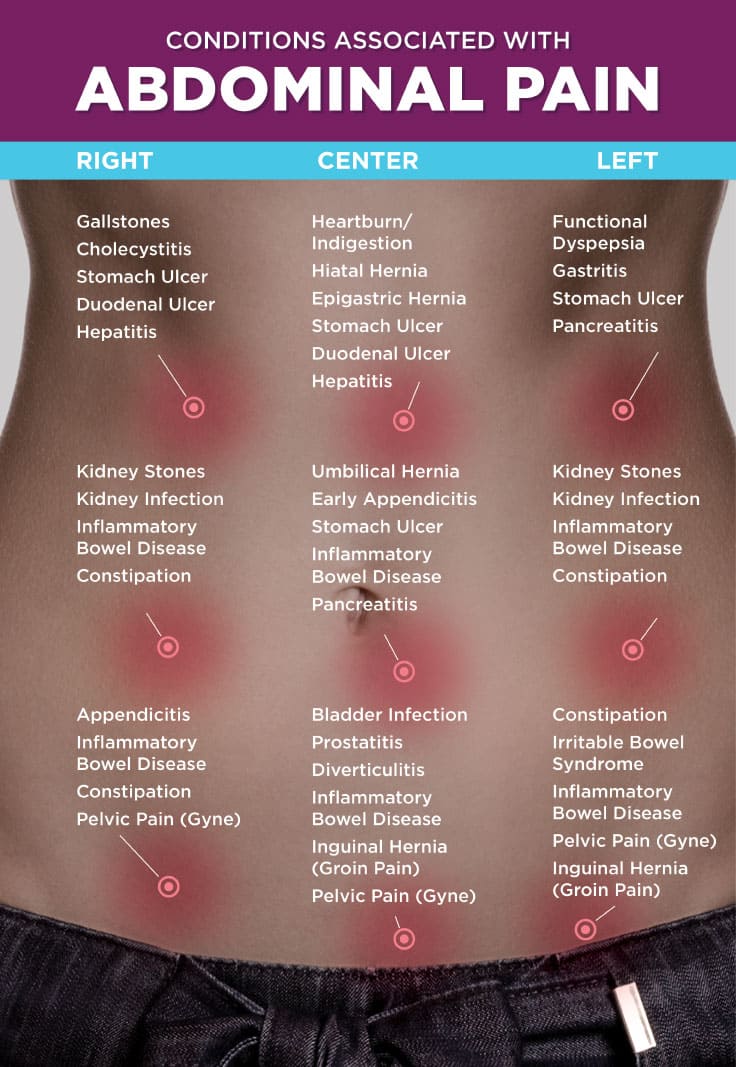
Abdominal pain caused by gas and bloating is a very common digestive complaint. It can range from mild discomfort to sharp cramps that interfere with daily activities. Understanding why it happens and how to relieve it effectively requires looking at diet, digestion, lifestyle habits, and sometimes underlying conditions.
What Causes Gas and Bloating?
Gas builds up in the digestive tract due to swallowed air or the breakdown of certain foods in the intestines. Bloating occurs when the abdomen feels full, tight, or swollen. Common triggers include:
- Eating too quickly or talking while eating (swallowing air)
- Carbonated beverages
- High-fiber foods (beans, lentils, cabbage)
- Dairy intolerance (especially lactose intolerance)
- Artificial sweeteners like sorbitol
- Constipation or slow digestion
Sometimes, infections or parasitic conditions can also contribute to digestive discomfort, which is where medications like mebendazole 100mg may be prescribed but only if worms are actually the cause. It is not a general treatment for gas or bloating.
Immediate Relief for Gas Pain
When you’re already experiencing abdominal discomfort, these methods can help relieve it quickly:
1. Gentle Movement
Walking or light physical activity helps stimulate intestinal movement, allowing trapped gas to pass more easily. Even a short 10–15 minute walk can reduce pressure.
2. Warm Compress
Applying a heating pad or warm cloth to your abdomen relaxes intestinal muscles and eases cramping.
3. Herbal Remedies
Certain natural ingredients can help break down gas:
- Ginger tea improves digestion
- Peppermint relaxes intestinal muscles
- Fennel seeds reduce bloating
4. Change Your Position
Lying on your left side or pulling your knees toward your chest can help gas move through the intestines.
Dietary Adjustments to Prevent Gas
Long-term relief depends heavily on what and how you eat.
1. Identify Trigger Foods
Keep a food diary to spot patterns. Common gas-producing foods include:
- Beans and legumes
- Cruciferous vegetables (broccoli, cauliflower)
- Fried or fatty foods
- Dairy (if lactose intolerant)
You don’t need to eliminate them completely just moderate intake.
2. Eat Slowly
Eating too fast increases swallowed air. Chew thoroughly and avoid talking while eating.
3. Limit Carbonated Drinks
Sodas and fizzy drinks introduce excess air into your digestive system.
4. Increase Fiber Gradually
Fiber is essential for digestion, but sudden increases can cause bloating. Introduce it slowly and drink plenty of water.
Lifestyle Habits That Make a Difference
1. Stay Hydrated
Water helps digestion and prevents constipation, which can worsen bloating.
2. Exercise Regularly
Physical activity keeps your digestive system active and reduces gas buildup.
3. Manage Stress
Stress can disrupt gut function and increase sensitivity to gas. Techniques like deep breathing or yoga can help.
4. Avoid Tight Clothing
Tight waistbands can compress the abdomen and worsen discomfort.
Over-the-Counter Options
Several medications can help relieve gas and bloating:
- Simethicone: Breaks down gas bubbles
- Activated charcoal: Absorbs gas (evidence is mixed)
- Digestive enzymes: Help break down certain foods
These are generally safe when used occasionally, but frequent reliance may indicate a deeper issue.
When to Consider Medical Causes
If gas and bloating are persistent or severe, consult a doctor. Possible underlying conditions include:
- Irritable bowel syndrome (IBS)
- Small intestinal bacterial overgrowth (SIBO)
- Food intolerances (lactose, gluten)
- Parasitic infections
In cases involving intestinal worms, doctors may prescribe medications like mebendazole 100mg, but this is only appropriate when a parasitic infection is confirmed through testing.
Warning Signs You Shouldn’t Ignore
Seek medical attention if you experience:
- Severe or persistent abdominal pain
- Unexplained weight loss
- Blood in stool
- Vomiting
- Chronic diarrhea or constipation
These symptoms may indicate conditions beyond simple gas or bloating.
Practical Daily Routine for Prevention
A structured daily approach can significantly reduce episodes:
Morning
- Drink warm water with lemon
- Eat a light, balanced breakfast
Afternoon
- Avoid heavy, greasy meals
- Stay hydrated
Evening
- Eat dinner early and lightly
- Take a short walk after eating
Before Bed
- Avoid carbonated drinks
- Practice relaxation techniques
Final Thoughts
Gas and bloating are usually harmless but can be uncomfortable and disruptive. The most effective way to manage them is through a combination of mindful eating, dietary adjustments, hydration, and regular movement. While medications including mebendazole 100mg have their place, they should only be used when medically appropriate, not as a general solution for everyday digestive discomfort.
If symptoms persist despite lifestyle changes, it’s worth investigating further with a healthcare professional to rule out underlying conditions and get targeted treatment.

 Arabic
 French
 Spanish
 Portuguese
 Deutsch
 Turkish
 Dutch
Dutch
 Italiano
 Russian
 Romaian
 Portuguese (Brazil)
 Greek
Greek