

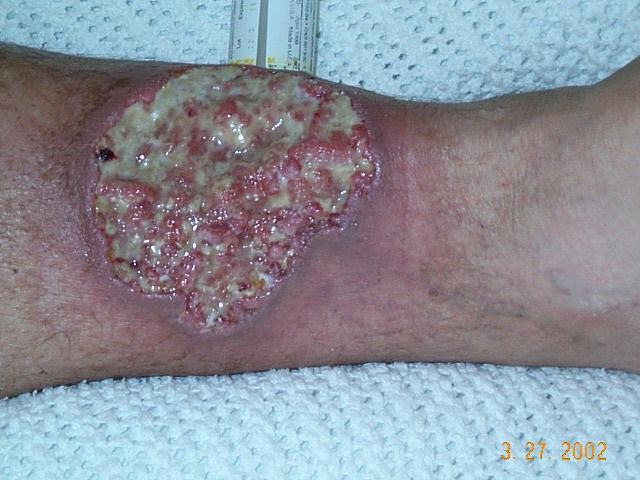
Pyoderma is a broad term used to describe bacterial skin infections, typically caused by Staphylococcus or Streptococcus species. These infections can range from mild superficial lesions to deeper, more severe skin involvement. Effective treatment depends on the severity, location, and underlying causes of the infection. This guide provides a structured overview of the best treatments for pyoderma, including the use of cephalexin capsules, topical therapies, hygiene measures, and advanced interventions.
Understanding Pyoderma
Pyoderma can be classified into:
- Superficial pyoderma affects the outer skin layers (e.g., impetigo)
- Deep pyoderma involves deeper tissues (e.g., furuncles, carbuncles)
Common symptoms include:
- Redness and swelling
- Pus-filled lesions
- Crusting or oozing
- Itching or pain
Risk factors include poor hygiene, diabetes, weakened immunity, and skin trauma.
1. Oral Antibiotics: First-Line Systemic Treatment
For moderate to severe pyoderma, oral antibiotics are often necessary. Among these, Cephalexin capsules are widely prescribed.
Why Cephalexin Capsules Are Effective
Cephalexin belongs to the first-generation cephalosporins, which are highly effective against common gram-positive bacteria responsible for pyoderma.
Key benefits:
- Targets Staphylococcus aureus and Streptococcus pyogenes
- Good skin penetration
- Well-tolerated in most patients
- Available in convenient capsule form
Dosage and Administration
- Typically prescribed for 7 14 days
- Dosage depends on severity and patient factors
- Must be taken as directed by a physician
Important Considerations
- Complete the full course to prevent resistance
- Possible side effects: nausea, diarrhea, allergic reactions
- Not suitable for patients with cephalosporin allergy
2. Topical Antibiotics for Mild Cases
For localized or mild infections, topical therapy may suffice.
Common Options:
- Mupirocin ointment
- Fusidic acid cream
Advantages:
- Direct application to affected area
- Minimal systemic side effects
- Effective for superficial pyoderma
Usage Tips:
- Apply 2 3 times daily
- Clean the area before application
- Avoid prolonged use to prevent resistance
3. Proper Wound Care and Hygiene
No antibiotic regimen is complete without adequate skin care.
Essential Measures:
- Wash affected areas with antibacterial soap
- Keep the skin dry and clean
- Avoid scratching or picking lesions
- Use clean towels and clothing daily
Antiseptic Solutions:
- Chlorhexidine washes
- Povidone-iodine applications
These help reduce bacterial load and prevent spread.
4. Drainage of Abscesses
In cases of deep pyoderma, such as boils or carbuncles:
- Incision and drainage (I&D) may be required
- This removes pus and reduces bacterial burden
Antibiotics like cephalexin capsules are often used alongside drainage for optimal outcomes.
5. Addressing Underlying Conditions
Recurring pyoderma often indicates underlying issues.
Common Contributing Factors:
- Diabetes mellitus
- Poor nutrition
- Immunosuppression
- Skin conditions (eczema, dermatitis)
Managing these conditions improves treatment success and reduces recurrence.
6. Alternative and Advanced Antibiotics
If the infection does not respond to cephalexin capsules, other antibiotics may be considered:
- Amoxicillin-clavulanate
- Clindamycin
- Doxycycline
These are selected based on:
- Culture and sensitivity results
- Severity of infection
- Patient-specific factors
7. Role of Culture and Sensitivity Testing
In recurrent or resistant cases:
- A bacterial culture is recommended
- Helps identify the exact organism
- Guides targeted antibiotic therapy
This ensures that treatments like cephalexin capsules are used appropriately.
8. Preventing Recurrence
Prevention is crucial, especially for individuals prone to repeated infections.
Key Strategies:
- Maintain personal hygiene
- Avoid sharing personal items
- Treat minor skin injuries promptly
- Manage chronic illnesses effectively
For recurrent staphylococcal infections, nasal decolonization with mupirocin may be recommended.
9. Special Considerations in Children and Elderly
In Children:
- Pyoderma (especially impetigo) is common
- Topical antibiotics are often preferred initially
- Oral agents like cephalexin capsules may be used if widespread
In Elderly:
- Slower healing due to reduced immunity
- Higher risk of complications
- Close monitoring during antibiotic therapy is essential
10. When to Seek Medical Attention
Immediate consultation is needed if:
- Infection spreads rapidly
- High fever develops
- Severe pain or swelling occurs
- No improvement after 3 5 days of treatment
Delaying treatment can lead to complications such as cellulitis or systemic infection.
Conclusion
The treatment of Pyoderma requires a multifaceted approach, combining antibiotics, proper hygiene, and management of underlying conditions. Among oral antibiotics, Cephalexin capsules remain a cornerstone therapy due to their effectiveness against common causative bacteria and favorable safety profile.
However, optimal results depend on:
- Correct diagnosis
- Appropriate antibiotic selection
- Adherence to treatment
- Preventive care
Whether dealing with a mild superficial infection or a deeper, more severe form, early and targeted intervention ensures faster recovery and reduces the risk of complications.

 English
 Arabic
 Spanish
 Portuguese
 Deutsch
 Turkish
 Dutch
Dutch
 Italiano
 Russian
 Romaian
 Portuguese (Brazil)
 Greek
Greek