

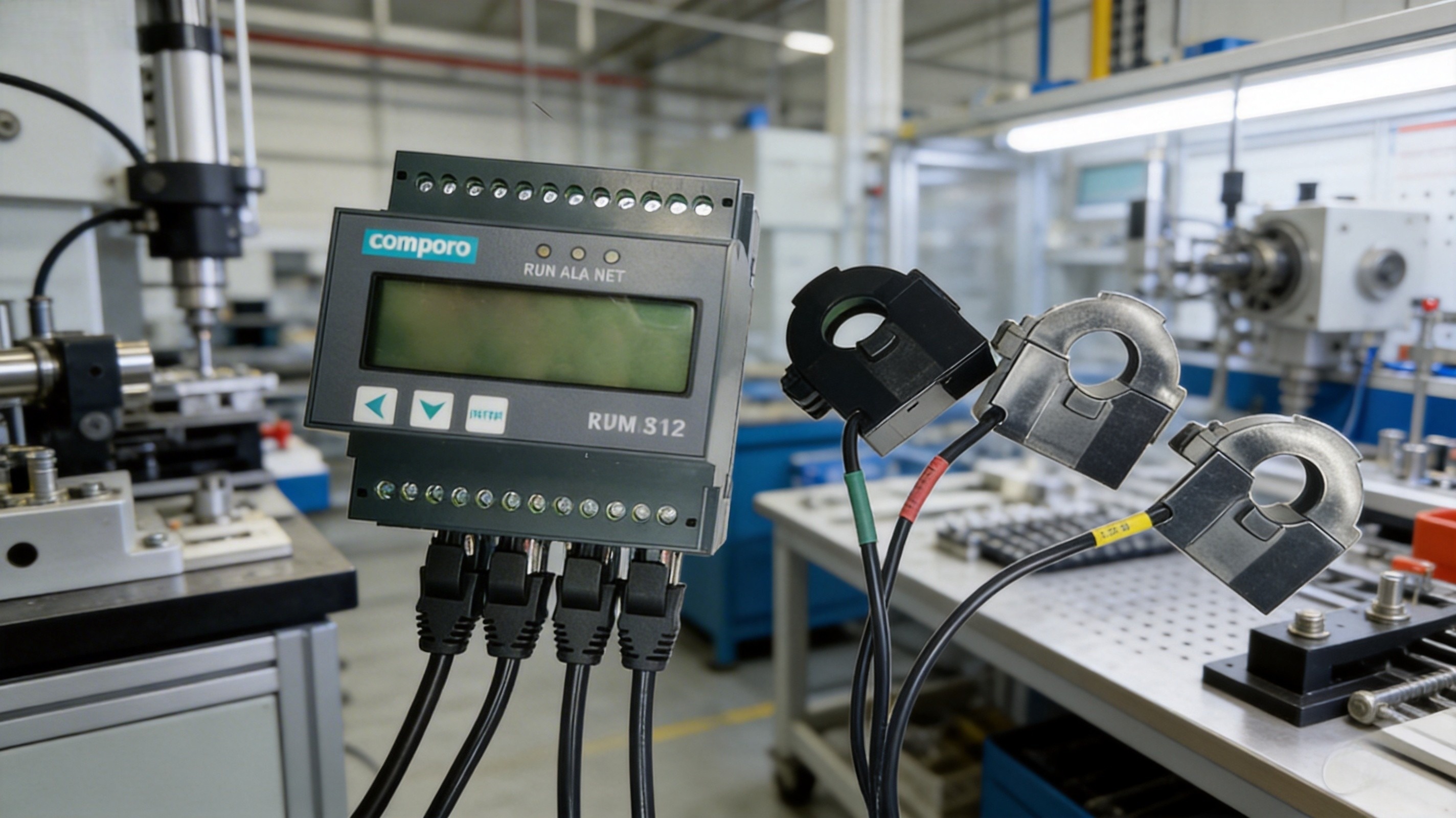
A multi-circuit energy meter is an intelligent meter capable of simultaneously measuring and monitoring the electrical parameters of multiple independent power circuits. It typically employs a modular or highly integrated design, allowing one device to replace multiple single-circuit meters, collecting data such as current, voltage, power, energy, and harmonics in real time.
Why Choose a Multi-Circuit Meter? (Core Advantages)
Compared to traditional single-circuit installation solutions, multi-circuit meters offer significant marginal benefits:
- High integration: A single meter typically supports 12, 24, or even 36 single-phase circuits (or corresponding three-phase circuits), greatly saving DIN rail space in the distribution box.
- Lower deployment costs: Considering hardware costs, wiring labor, and communication module expenses, multi-circuit solutions typically reduce costs by 30% - 50% compared to discrete solutions.
- Easy installation: Many models support open-type current transformers, allowing circuit additions without power interruption, making them particularly suitable for urban redevelopment or production line upgrades without interrupting operations.
- Unified Communication: Only one communication address is needed to read data from dozens of circuits, reducing the polling pressure on the backend system.
Main Application Scenarios
1. Data Centers (IDCs)
In server racks (RPPs) within data centers, multi-circuit meters monitor the power consumption of each server rack in real time. By calculating PUE (Power Usage Effectiveness), they help maintenance personnel optimize heat dissipation and load distribution.
2. Commercial Complexes and Tenant Billing
In shopping malls and office buildings, multi-circuit meters can independently meter different shops. Their built-in multi-rate (time-of-use) function can automatically calculate costs based on peak and off-peak electricity prices.
3. Smart Factories and Industrial Automation
Used to monitor energy consumption trends on critical production lines, identify abnormal equipment loads, and prevent unexpected downtime due to overload.
Selection Recommendations
When selecting multi-circuit meters, it is recommended to consider the following:
- Accuracy Class: For billing purposes, a accuracy class of 0.5S or higher is recommended.
- Communication Protocol: Confirm whether standard Modbus-RTU or MQTT is supported (if direct cloud connection is required).
- Physical Dimensions: Confirm whether it conforms to standard DIN35 rail mounting.

 English
 Arabic
 French
 Spanish
 Portuguese
 Deutsch
 Turkish
 Dutch
Dutch
 Russian
 Romaian
 Portuguese (Brazil)
 Greek
Greek