

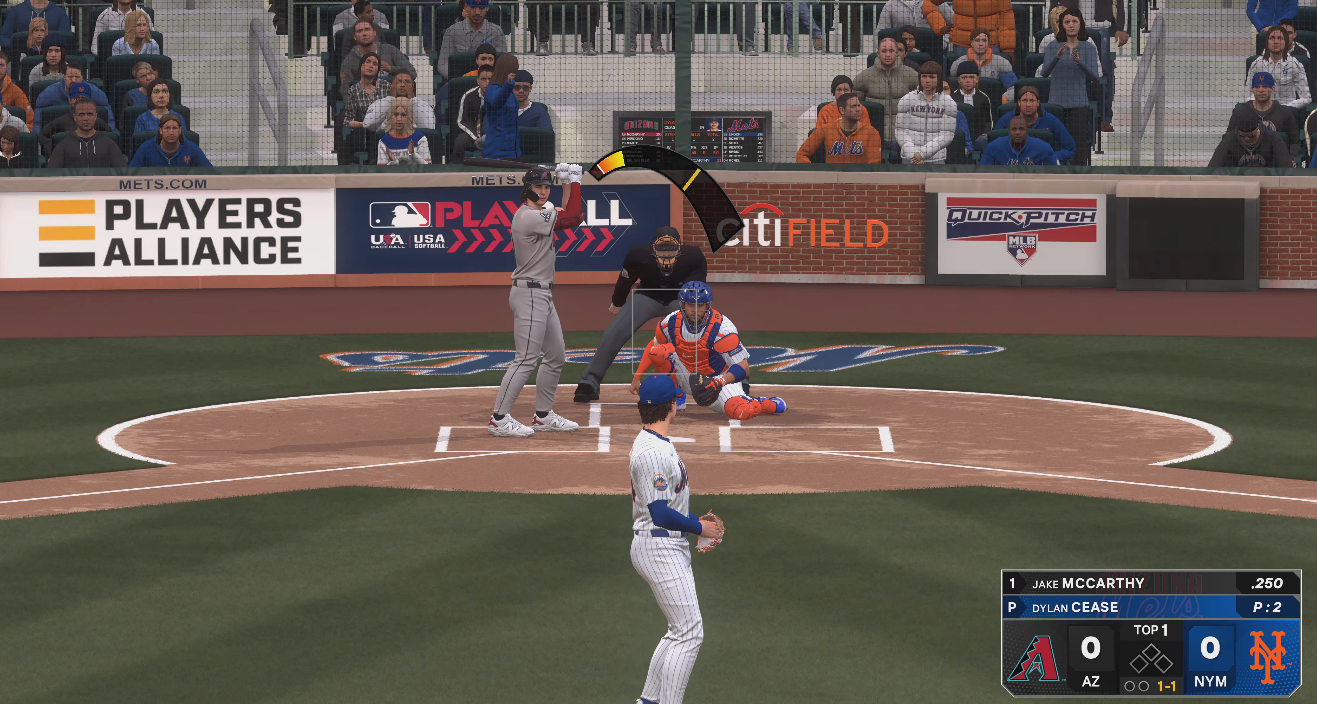
If you're playing MLB The Show 26, you know that baserunning is a critical part of the game, whether you're advancing a runner to put pressure on the defense or trying to score that game-winning run. One thing that can make or break your baserunning is choosing between aggression and safety. Should you go for the extra base and risk getting thrown out, or play it safe and wait for the next opportunity? In this article, we’ll break down the key differences between baserunning aggression and safety, and when to use each approach.
What Does Baserunning Aggression Mean?
Baserunning aggression refers to how aggressively a player attempts to advance on the basepaths. When you set your runners to be more aggressive, they'll be more likely to take risks, like trying to stretch a single into a double or going for third base on a shallow hit. Aggressive baserunners are also more likely to try to steal or take an extra base on a passed ball or wild pitch.
The higher the aggression, the more likely a runner is to make these risky decisions. But that also means they’re more likely to get thrown out if the defense is sharp.
What Does Baserunning Safety Mean?
On the other hand, baserunning safety is all about making sure your players don’t take unnecessary risks. Players set to "safety" will typically stop at the next base and avoid any aggressive moves. They won’t go for the extra base unless it’s a clear opportunity. This setting is all about avoiding getting picked off or thrown out, even if it means you don’t take full advantage of every single opportunity.
For example, if there’s a hit to the outfield with a runner on second base, a safe baserunner will generally hold up and stay at third, rather than trying to score on a potentially close play. This approach minimizes risk, but it also means your runners won’t be pushing the limits to get into scoring position.
Why Is Baserunning Aggression Important in MLB The Show 26?
Aggressive baserunning can be a game-changer, especially if you’re playing against a pitcher who’s tough to hit. Getting an extra base can set up a better scoring chance for the next batter, making it easier to score runs. Players with high speed or good baserunning ratings can often take advantage of these risky situations with less chance of getting thrown out.
Additionally, being aggressive with your baserunners can put pressure on the opposing defense. It forces them to make accurate throws and quick decisions. If they make a mistake—whether it's a bad throw or hesitation—it can result in you getting a free base or even scoring.
When Should I Use Aggressive Baserunning?
Aggressive baserunning is best used when you need to create scoring opportunities or take advantage of a pitcher or catcher who’s not good at controlling the running game. If you’re down by a run or two and need to get players in scoring position, being aggressive could help you manufacture that crucial run.
One situation where aggression is often worth the risk is when you have a runner on second with less than two outs. If the batter hits a sharp grounder to the right side of the infield, a runner on second might try to take third base, knowing that the defense is more likely to throw to first and not cover the bag at third in time.
Aggression can also work well when you’re dealing with slow pitchers or catchers who don’t have great arm strength. Stealing a base or going for an extra base on a hit becomes much safer in these situations.
When Should I Use Safety Baserunning?
While aggression has its benefits, safety is important when you’re dealing with tough pitchers, tight games, or runners who are not particularly fast. You don’t want to take risks and get thrown out at the wrong moment, especially when runs are at a premium. Playing it safe means you’ll avoid these types of situations.
Safety is especially useful when you’re ahead in the game, and you don’t want to give up outs unnecessarily. If you’re up by a few runs and the game is nearing the end, it’s better to play conservatively and make sure you don’t make any mistakes.
Another time when safety is useful is when you’re facing an elite defense, like a team with strong arms in the outfield or a catcher who has a high arm strength rating. In those cases, trying to advance might only put you in a worse spot, especially if you’re in scoring position and don’t want to risk getting thrown out.
How Does Player Rating Affect Aggression vs Safety?
The player’s attributes in MLB The Show 26 also play a big role in deciding whether aggression or safety is the better choice. For example, a player with high speed and solid baserunning ratings is more likely to succeed in aggressive baserunning situations. These players are less likely to get caught stealing or thrown out trying to advance to the next base.
On the other hand, slower players, or those with poor baserunning skills, are better off playing it safe. Trying to stretch a single into a double with a player who has low speed can often lead to an unnecessary out.
Also, certain in-game settings allow you to adjust baserunning styles for different players. If you have a top-of-the-order batter with high speed, you might want to be more aggressive with them compared to a slower batter hitting in the 7th spot.
Can You Adjust Baserunning Aggression and Safety Mid-Game?
Yes, you can adjust baserunning settings during a game in MLB The Show 26. This is particularly useful if you're trailing and need to take more risks, or if you’re protecting a lead and want to make sure your players stay safe on the bases. You can switch the aggressiveness of your players based on the game situation and opponent tendencies.
For example, you might start with a more aggressive approach early in the game but switch to a safer strategy later on if you build a lead. Conversely, if you’re behind, you might increase aggression to create more chances to score.
How Do I Balance Aggression and Safety?
The key to mastering baserunning is knowing when to strike the balance between aggression and safety. This isn’t just about hitting the “aggressive” button every time—it’s about reading the game situation, the pitcher, the defense, and your players’ abilities.
If you’re up by a few runs and it’s the late innings, safety is often the best option to avoid any mistakes. However, if you’re trying to manufacture runs in a close game, taking a few risks might be exactly what you need to get a man in scoring position.
For players looking to increase their stubs or improve their roster, finding the right balance in baserunning decisions can help you win more games and maximize rewards in MLB 26 stubs.
Baserunning aggression versus safety in MLB The Show 26 isn’t just a binary choice—it’s a strategic decision that depends on the game’s context. Understanding when to push the limits and when to play it safe can make the difference between scoring runs and getting thrown out. By adjusting your baserunning style based on the situation and player abilities, you’ll become a much more efficient and unpredictable baserunner. And, with a little practice, you’ll find the best approach to help you win those crucial games, whether you’re ahead or behind on the scoreboard.

 Arabic
 French
 Spanish
 Portuguese
 Deutsch
 Turkish
 Dutch
Dutch
 Italiano
 Russian
 Romaian
 Portuguese (Brazil)
 Greek
Greek