

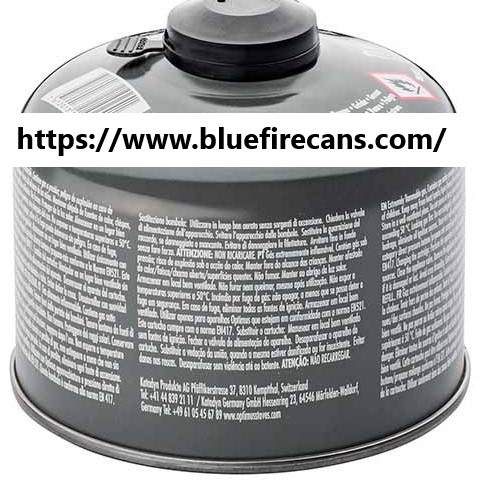
When procurement teams compare offers they look beyond price to the systems a 230g Gas Cartridge Supplier uses to keep each batch behaving the same in real use. Consistent valve fit, repeatable filling, and clear packing rules turn a commodity into a reliable supply line. Vendors that publish the product notes, packing templates, and testing routines behind their cartridges make it far easier for buyers, retailers, and rental fleets to plan inventory and avoid emergency orders.
Consistency begins on the factory floor. Repeatable forming, controlled rim finishing, and automated valve mounting reduce dimensional scatter so each cartridge seats and seals the same way. Modern plants embed inspection gates at forming, at valve assembly, and after filling so deviations are caught early rather than discovered downstream. These process controls lower the chance that a lot will be split between acceptable and marginal units, which reduces rework and shipment disruption for customers.
Valve integrity is a user facing factor that suppliers cannot ignore. Routine seat leakage checks and closure tests help confirm valves will hold under pressure and seal cleanly when a stove or regulator connects. Functional cycling and leak screening on the line catch assemblies with intermittent faults before they are packed, and those checks are standard practice among manufacturers who aim to minimize returns due to micro leaks or poor sealing. That kind of testing gives buyers concrete evidence a supplier is managing risk rather than hoping quality will hold.
Filling and headspace control directly affect how cartridges perform in the field. Precise metering of fuel and consistent filling headspace produce similar vapor pressures across a run so stoves behave predictably from unit to unit. Inline weight checks and negative pressure or vacuum style verification are common techniques to ensure each sealed unit meets its fill specification. When suppliers share these testing steps procurement teams can compare offerings on practical terms that matter to end users.
Packing and transport planning are frequently the difference between a smooth delivery and a problematic one. Protective valve caps, upright restraint on pallets, and clear pallet templates reduce valve impact and accidental actuation during handling. Suppliers who coordinate packing templates with carriers and who instruct warehouses on preferred pallet orientation reduce rejected shipments and repacking work. Those operational details save time and lower the incidence of damaged goods arriving at retail or rental depots.
Traceability and batch records shorten resolutions when problems occur. A supplier that ties inspection records to lot codes and pallet manifests lets buyers isolate affected units quickly and avoid mass recalls. That capability also speeds root cause investigations because engineers can correlate defects to particular tooling sets or material coils. For businesses that operate many outlets or manage rental fleets, traceability reduces the operational impact of rare failures and keeps supply moving while corrections are applied.
Field validation and dealer feedback close the loop between factory tests and real world performance. Short pilot runs and early delivery samples that retailers or field technicians test on their common stoves reveal behavior under the local conditions buyers care about. Channels that capture and share this feedback with suppliers enable targeted improvements in valve seating, packing, or headspace targets, which reduces recurring issues and improves customer satisfaction over time.
Regulatory compliance and correct documentation matter for cross border trade. Pressurized cartridges travel under regulated rules and carriers expect accurate declarations and packing aligned with those rules. Suppliers who publish clear handling notes and that align packing with logistic guidance reduce the risk of shipments being held or rejected at transfer points. That kind of compliance planning saves buyers from last minute sourcing headaches when demand surges or freight lanes tighten.
Sustainability and waste reduction show up in manufacturing choices as well. Minimizing rework through better inline inspection, choosing finishes that reduce reprint scrap, and sorting trim for reuse all shrink the factory footprint per unit delivered. When suppliers communicate these measures, buyers can factor lifecycle impacts into procurement decisions and align assortments with evolving consumer expectations about waste and reuse. Practical improvements in process control thus contribute to both quality and environmental goals.
How buyers evaluate suppliers in practice matters. Require a short pilot shipment, ask for documented inspection steps, confirm packing templates, and request sample lot traceability. Track simple KPIs with your supplier such as delivered damage rate and emergency reorder frequency so you can see whether small issues are recurring. A supplier that responds to those metrics with concrete packing or process adjustments is behaving like a partner rather than a vendor.
Finally, practical product pages and handling notes make daily operations easier. When a supplier displays valve type, filling notes, and packing guidance on its product pages procurement teams can approve assortments faster and train staff with confidence. If you want to compare cartridge options and read manufacturer handling notes that support stable assortments and reliable deliveries, check the product and category pages such as the 230g family on the supplier portal at https://www.bluefirecans.com/product/ which gathers pairing suggestions, packing templates, and handling guidance to help buyers assess fit for their markets.

 English
 Arabic
 French
 Spanish
 Portuguese
 Turkish
 Dutch
Dutch
 Italiano
 Russian
 Romaian
 Portuguese (Brazil)
 Greek
Greek