

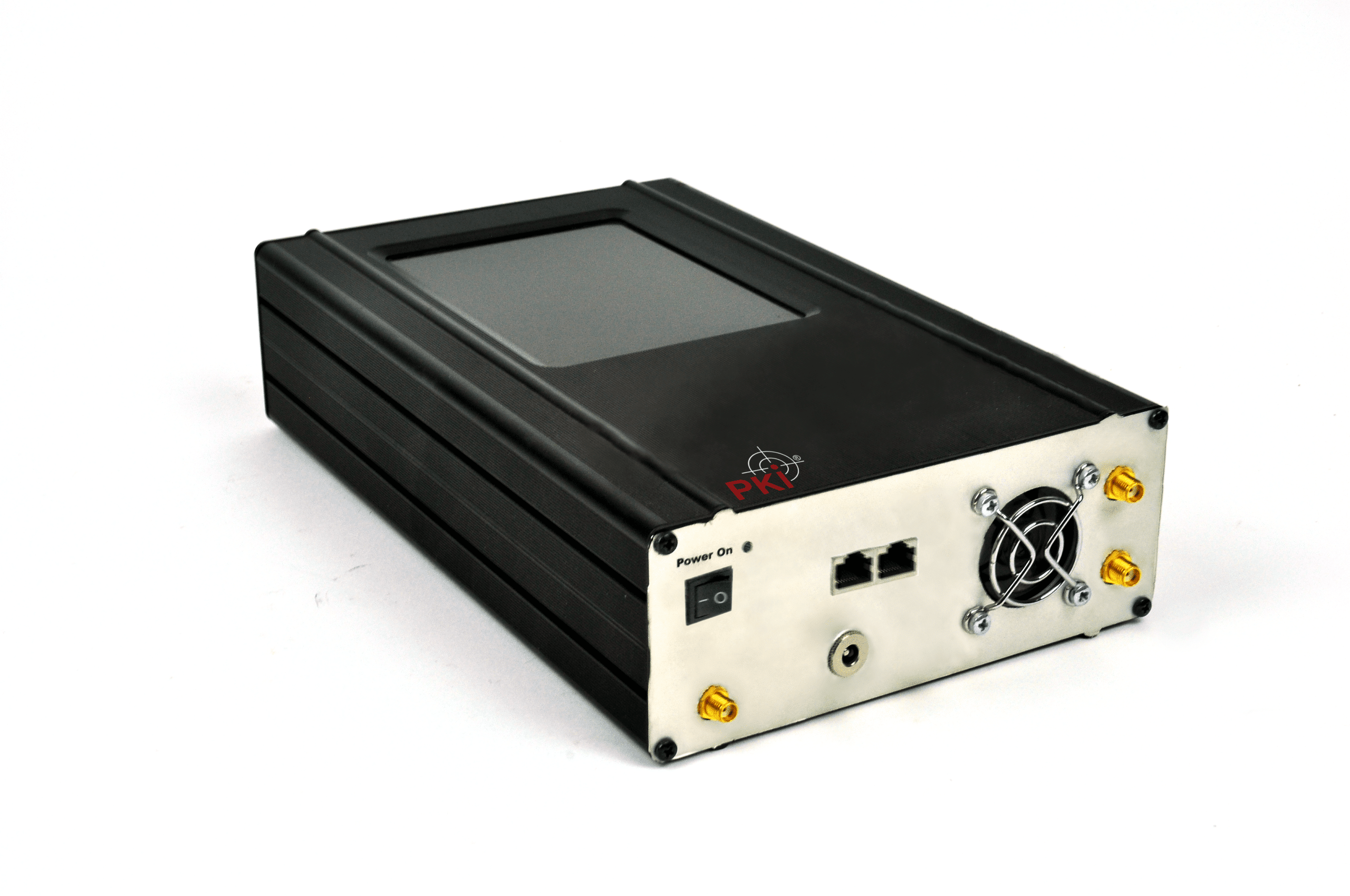
In the highly specialized world of electronic surveillance, a key piece of technology is the IMSI Catcher, a device designed to identify and track mobile phones in a specific vicinity. Also known by brand names like "Stingray," this equipment functions by mimicking a legitimate mobile phone tower. It broadcasts a signal that is stronger than the surrounding network towers, compelling all mobile phones within its range to connect to it. Once a phone connects, the device captures its International Mobile Subscriber Identity (IMSI) and International Mobile Equipment Identity (IMEI), unique identifiers associated with the SIM card and the handset, respectively. This capability allows operators to covertly identify the presence of specific mobile devices or create a list of all devices in a targeted area for intelligence-gathering purposes.
The operational mechanism of an IMSI catcher is a classic example of a "man-in-the-middle" attack applied to cellular networks. By tricking the phone into connecting, the device can perform several functions beyond simple identification. Many IMSI catchers are capable of forcing a phone to downgrade its connection from a secure 4G or 5G network to a less secure 2G network. This downgrade attack is significant because the encryption standards on 2G networks are much weaker and have known vulnerabilities, potentially allowing the operator to intercept the content of unencrypted voice calls and SMS messages. The effectiveness of these devices depends on their signal strength, the local cellular environment, and the security protocols of the target network, creating a continuous technological arms race between network providers and surveillance equipment manufacturers.
The applications for this technology are primarily centered around national security, law enforcement, and intelligence operations. Government agencies use IMSI catchers to locate and track suspects in criminal investigations, monitor potential terrorist activities, and gather signals intelligence in counter-espionage operations. In search and rescue missions, they can be deployed to locate missing persons by detecting their mobile phone signals in remote areas where network coverage is poor. However, the use of this powerful technology is highly controversial, raising significant concerns about public privacy, civil liberties, and the potential for misuse, which has led to stringent legal frameworks and debates over its deployment in many countries.

 English
 French
 Spanish
 Portuguese
 Deutsch
 Turkish
 Dutch
Dutch
 Italiano
 Russian
 Romaian
 Portuguese (Brazil)
 Greek
Greek