

Introduction
As the global population continues to age, the need for compassionate and skilled caregiving services has never been greater. Millions of seniors worldwide require assistance with daily activities, healthcare management, and emotional support to maintain their independence and well-being. Caregivers play a vital role in helping older adults live healthier, safer, and more fulfilling lives.
Whether working in private homes, assisted living facilities, or healthcare settings, caregivers provide essential support that goes far beyond meeting physical needs. They offer companionship, promote independence, ensure safety, and help seniors maintain a sense of dignity and purpose. The impact of caregiving extends not only to the seniors receiving care but also to their families and communities.
Understanding how caregivers improve quality of life for seniors highlights the importance of investing in caregiver education, support systems, and professional development as the demand for elderly care continues to rise.
The Growing Need for Senior Care
Advances in healthcare and improved living conditions have increased life expectancy across the world. While this is a positive development, it also means more seniors require long-term support for age-related health conditions, mobility challenges, and chronic illnesses.
Many older adults prefer to remain in their homes rather than move into nursing facilities. This growing preference for aging in place has increased the demand for professional caregivers who can provide personalized care while helping seniors maintain independence.
As populations age, caregivers are becoming an increasingly important part of healthcare and senior support services.
Providing Assistance with Daily Living Activities
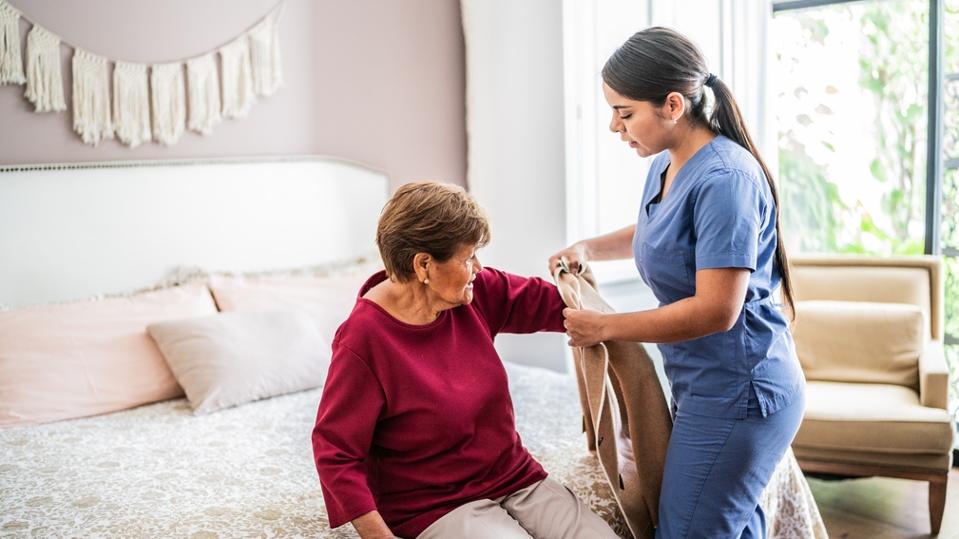
One of the primary ways caregivers improve quality of life is by helping seniors manage everyday tasks that may become difficult with age.
These tasks often include:
- Bathing and personal hygiene
- Dressing and grooming
- Meal preparation
- Medication reminders
- Housekeeping and laundry
- Mobility assistance
By providing support with daily activities, caregivers help seniors remain comfortable, healthy, and independent in their own homes.
Promoting Physical Health and Safety
Maintaining physical health is essential for seniors who may face age-related medical conditions or mobility limitations.
Caregivers contribute to senior health by:
- Monitoring changes in health conditions
- Encouraging healthy eating habits
- Assisting with exercise and physical activity
- Supporting medication adherence
- Helping prevent falls and injuries
Their close attention to health and safety can reduce hospital visits, prevent accidents, and improve overall wellness.
Offering Emotional Support and Companionship
Loneliness and social isolation are common challenges among older adults. Seniors who live alone or have limited social interaction may experience feelings of sadness, anxiety, or depression.
Caregivers provide valuable companionship by:
- Engaging in meaningful conversations
- Participating in hobbies and activities
- Offering emotional encouragement
- Providing a trusted source of support
Regular social interaction helps seniors stay emotionally connected and improves mental well-being.
Encouraging Independence and Confidence
Many seniors worry about losing their independence as they age. Skilled caregivers focus on empowering older adults rather than doing everything for them.
Caregivers encourage independence by:
- Supporting seniors in completing tasks they can manage
- Promoting decision-making and self-care
- Assisting only when necessary
- Encouraging participation in daily activities
This approach helps seniors maintain confidence, dignity, and a sense of control over their lives.
Supporting Seniors with Chronic Conditions
Many older adults live with chronic health conditions such as diabetes, heart disease, arthritis, dementia, or Alzheimer's disease.
Caregivers help manage these conditions by:
- Monitoring symptoms and health changes
- Assisting with treatment plans
- Supporting medical appointments
- Helping maintain healthy routines
Consistent caregiving support can improve health outcomes and enhance quality of life for seniors with long-term medical needs.
Reducing Family Caregiver Stress
Family members often take on caregiving responsibilities for aging loved ones. While rewarding, caregiving can be physically and emotionally demanding.
Professional caregivers provide relief by:
- Sharing caregiving responsibilities
- Allowing family members time to rest
- Offering specialized caregiving expertise
- Providing peace of mind for families
This support helps families maintain healthier relationships while ensuring seniors receive quality care.
The Role of Professional Training in Senior Care
Professional caregiver training is essential for delivering high-quality senior care. Well-trained caregivers possess the knowledge and skills needed to handle a variety of healthcare and personal care situations.
Training often includes:
- Senior care best practices
- Dementia and Alzheimer's care
- Infection prevention
- Emergency response procedures
- Communication and emotional support skills
Continuous education helps caregivers provide safer and more effective support for seniors.
Technology and Modern Senior Care
Technology is transforming how caregivers support older adults. Modern healthcare tools help improve communication, monitoring, and overall care quality.
Examples include:
- Telehealth consultations
- Medication reminder apps
- Remote health monitoring devices
- Emergency alert systems
- Digital health records
These innovations allow caregivers to provide more efficient and personalized care while helping seniors remain independent.
Challenges Caregivers Face
Despite their essential contributions, caregivers often face significant challenges.
Common challenges include:
Physical Demands
Assisting seniors with mobility and daily activities can be physically demanding.
Emotional Stress
Supporting individuals with chronic illnesses or cognitive decline can be emotionally taxing.
Workforce Shortages
Many regions face a growing shortage of trained caregivers.
Burnout
Long hours and demanding responsibilities can lead to caregiver fatigue and burnout.
Addressing these challenges through education, support programs, and workplace improvements is critical for sustaining quality senior care.
The Future of Caregiving for Seniors
As the global senior population continues to grow, caregiving services will become even more important. Future trends in senior care may include:
- Expanded home care services
- Increased caregiver training programs
- Greater use of healthcare technology
- Enhanced caregiver wellness initiatives
- More personalized care approaches
Investing in caregivers will be essential for meeting the evolving needs of aging populations worldwide.
Conclusion
Caregivers play a crucial role in improving the quality of life for seniors by providing physical assistance, emotional support, health monitoring, and companionship. Their dedication helps older adults maintain independence, dignity, and overall well-being while aging safely and comfortably.
As demand for senior care continues to rise, supporting caregivers through education, professional development, and wellness programs will be vital. By recognizing the value of caregivers and investing in their success, communities can create stronger healthcare systems and better outcomes for seniors and their families.
Frequently Asked Questions (FAQs)
1. How do caregivers help seniors maintain independence?
Caregivers assist with tasks when needed while encouraging seniors to remain active, make decisions, and perform activities they can manage independently.
2. Why is companionship important for seniors?
Companionship reduces loneliness, improves emotional well-being, and helps seniors stay socially engaged and mentally healthy.
3. How do caregivers support senior health?
Caregivers help with medication reminders, healthy routines, mobility assistance, health monitoring, and communication with healthcare providers.
4. What training do professional caregivers receive?
Caregivers often receive education in senior care, safety procedures, communication skills, chronic disease management, and emergency response.
5. Why is the demand for caregivers increasing?
The demand is growing due to aging populations, longer life expectancy, increased chronic health conditions, and a preference for home-based care services.

 Arabic
 French
 Spanish
 Portuguese
 Deutsch
 Turkish
 Dutch
Dutch
 Italiano
 Russian
 Romaian
 Portuguese (Brazil)
 Greek
Greek