

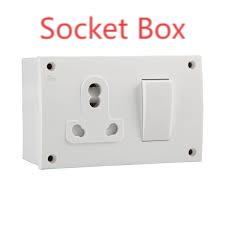
In modern outdoor electrical infrastructure, engineers frequently depend on an Electrical Outdoor Box to protect wiring systems and ensure safe power connections in open environments. Whether installed in industrial facilities, construction areas, or public infrastructure projects, an Electrical Outdoor Box provides essential protection for electrical components exposed to weather, dust, and mechanical impacts.
Outdoor electrical installations face significantly more challenges than indoor systems. Rain, humidity, ultraviolet radiation, temperature changes, and physical interference from equipment can all threaten electrical safety. To address these issues, outdoor electrical enclosures are designed to safeguard internal circuits while allowing convenient access for technicians and operators. Proper selection and installation of these protective boxes play a vital role in maintaining stable power distribution networks.
Understanding the engineering design, materials, installation techniques, and maintenance requirements of outdoor electrical enclosures can help industries improve safety and ensure long-term operational reliability.
Environmental Challenges in Outdoor Electrical Systems
Outdoor electrical systems operate in environments where natural conditions constantly test the durability of electrical equipment. Rainwater infiltration, dust accumulation, and direct sunlight exposure can gradually degrade unprotected wiring systems.
Electrical enclosures designed for outdoor use must therefore provide strong environmental protection. Effective sealing prevents water and dust from entering the enclosure, ensuring internal components remain dry and functional. This is particularly important for power distribution systems used in infrastructure projects, construction sites, and transportation facilities.
Temperature fluctuations can also impact electrical equipment. During seasonal changes, metal and plastic materials expand and contract, potentially weakening structural integrity. High-quality enclosure designs account for these environmental factors and use materials that maintain stability under varying conditions.
Another environmental concern involves accidental impact or vibration from nearby machinery. Durable enclosure structures help prevent damage to internal electrical connections, ensuring that the system continues to operate safely.
Nante Electrical Outdoor Box Engineering Design
The design philosophy behind outdoor electrical enclosures focuses on balancing durability, safety, and usability. Nante develops outdoor electrical protection equipment that can withstand harsh environmental conditions while remaining easy to install and maintain.
Engineers carefully design enclosure structures to provide mechanical strength and internal component protection. Reinforced housings protect wiring terminals and electrical connectors from external impacts. These structures are particularly valuable in industrial environments where equipment movement and heavy machinery create potential hazards.
Internal layouts are also optimized for efficient installation. Clearly organized wiring channels and accessible connection points help electricians complete installations quickly and accurately. Organized wiring structures also make routine maintenance easier, reducing inspection time and improving operational efficiency.
Another important design element is ventilation and moisture control. Outdoor electrical enclosures must maintain safe internal conditions even when external humidity levels change. Proper sealing systems and ventilation features help regulate internal temperature while preventing moisture accumulation.
Materials and Protective Construction
The materials used in outdoor electrical enclosures play a significant role in determining their durability and lifespan. Manufacturers typically select materials that combine mechanical strength with excellent resistance to environmental damage.
High-performance engineering plastics are widely used because they offer strong electrical insulation and resistance to corrosion. These materials are lightweight yet capable of withstanding outdoor environmental conditions such as rain and ultraviolet radiation.
Metal enclosures may also be used in environments where additional structural strength is required. Aluminum alloys and stainless steel provide enhanced durability and protection against physical damage. However, these materials require proper insulation and protective coatings to maintain electrical safety.
Sealing systems are another critical component of outdoor enclosure construction. Rubber gaskets, cable glands, and secure locking mechanisms create a barrier that prevents water or dust from entering the enclosure. These protective elements help maintain the reliability of electrical connections even in harsh outdoor environments.
Installation Practices for Outdoor Power Systems
Proper installation is essential for ensuring the effectiveness of outdoor electrical enclosures. Electricians must carefully select installation locations that minimize exposure to direct environmental hazards while maintaining convenient access for maintenance.
Mounting surfaces should be stable and capable of supporting the enclosure's weight. Secure mounting hardware helps prevent movement caused by vibration or mechanical impact.
Cable routing also requires careful planning. Electrical cables entering the enclosure must be protected with appropriate sealing components to maintain the enclosure's protective rating. Cable glands provide strain relief and prevent moisture from entering through cable entry points.
Grounding is another essential safety measure. A properly grounded electrical system protects both equipment and personnel by safely directing fault currents away from electrical circuits.
Routine inspection following installation helps maintain long-term reliability. Technicians should periodically examine the enclosure for damaged seals, loose connections, or signs of corrosion that could compromise system performance.
Future Trends in Outdoor Electrical Protection
As industrial technology continues to advance, outdoor electrical systems are evolving to meet new demands for efficiency, safety, and adaptability. Modern electrical infrastructure increasingly relies on robust protective equipment that can support expanding power distribution networks.
Future enclosure designs may incorporate intelligent monitoring technologies that detect electrical faults or abnormal temperature changes. These features could allow technicians to identify problems before they lead to system failures.
Another emerging trend involves modular enclosure designs that allow easier expansion of electrical systems. Modular structures enable facilities to upgrade power distribution networks without replacing entire installations.
Material science is also contributing to improvements in outdoor electrical equipment. New composite materials provide enhanced resistance to ultraviolet radiation, corrosion, and mechanical stress, helping extend the service life of electrical enclosures.
Reliable outdoor electrical infrastructure is essential for maintaining safe and efficient operations across many industries. Well-designed protective enclosures help ensure that electrical connections remain secure and functional despite environmental challenges. Readers who wish to explore more product details and available solutions can visit the following page: https://www.nante.com/product/

 English
 Arabic
 French
 Spanish
 Portuguese
 Deutsch
 Turkish
 Dutch
Dutch
 Italiano
 Russian
 Portuguese (Brazil)
 Greek
Greek